
This is part two of my follow up article on the 2016 Electric Universe Conference. In the previous post I gave my general impression of the conference and began to discuss the possible appeal of the electric universe theory (EUT) to non-scientists. This post is a continuation of that discussion. Before I proceed, I want to stress that I am not a scientist and am not qualified to speak about the EUT scientifically. As a scholar in the social sciences and humanities, I’m interested in the philosophical and socio-historical implications of the electric universe theory. My perspective deals with the broader, non-technical appeal of the EUT, as I understand it.
In the previous post I state that the non-scientific appeal of the EUT can be broken down into the three categories: historical, structural/systemic, and discursive. These are categories that anyone can access as analytical tools by which to explore the electric universe as a truer explanation for the cosmos. I describe each of these categories briefly in the subsequent paragraphs and will follow up with a separate post for each category in the coming weeks. Continue reading

 As a “secular Muslim” (I use that term loosely, as more of a cultural description because I do not practice organized religion) I am rather perplexed by the social fallout of the failed military coup in Turkey. While it remains to be proven, Erdogan has officially blamed the coup attempt on the US-backed, self-exiled hard-line Islamist Fethullah Gulen. Gulen is a former political ally of Erdogan and is just as radical—if not more so—an Islamist as Erdogan and his AKP party. If Gulen (with help from the US) was indeed behind the coup attempt, then it is a case of Islamist vs. Islamist and not secular factions within the state trying to take the country back from Erdogan and the Islamists (as many initially thought).
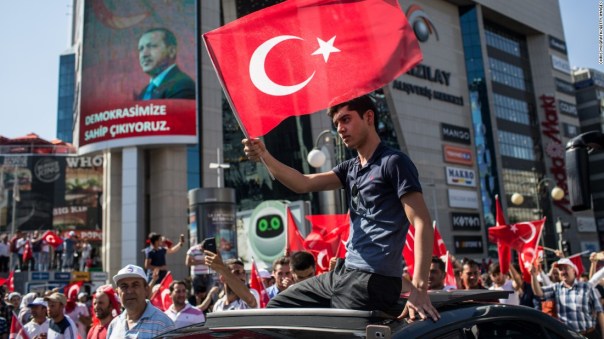
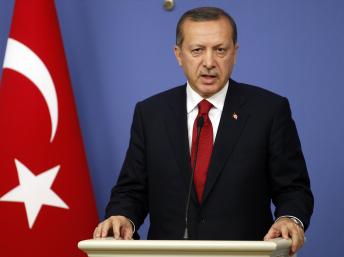
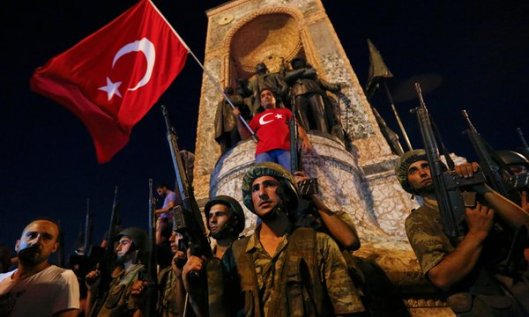 Like many analysts, the attempted coup in Turkey took me very much by surprise.I did not know what to make of it initially and my early elation at the possibility of the Erdogan being ousted was tempered with equal trepidation that this may be a US or NATO backed coup that would see Erdogan replaced—for failing in Syria and for his recent overtures to Russia—by a far more troublesome and more pro-US Islamist, Fethullah Gülen. Then, as the events unfolded, and Erdogan was able to quickly subdue the coup and play it very much to his advantage, I began to suspect that he may have had some hand in it or, more likely, had some foreknowledge of the coup and was able to use it as a pretext to eliminate his enemies—real and imagined—within the state. While we may never know for sure, there is no denying that the coup has hitherto turned out to be a political gift horse for Erdogan and his rabid Islamists.


 Ghada's SoapBox